Running a growing business means juggling dozens of tasks simultaneously, nurturing leads, sending follow up emails, posting on social media, and tracking campaign performance. Doing all of this manually is not only exhausting but also wildly inefficient. That is where marketing automation comes in, a technology driven approach that allows businesses to automate repetitive marketing tasks fast, streamline workflows, and deliver more personalised experiences at scale. This will likely result in:
451% increase in qualified leads
14.5% boost in sales productivity
80% of users see improved leads
Whether you are a small business owner, a solo marketer, or part of a large enterprise team, understanding how to leverage automation can fundamentally transform how you attract, engage, and retain customers. This guide walks you through everything you need to know: what it is, why it matters, how to get started, and which tools are worth your attention.
What is marketing automation?
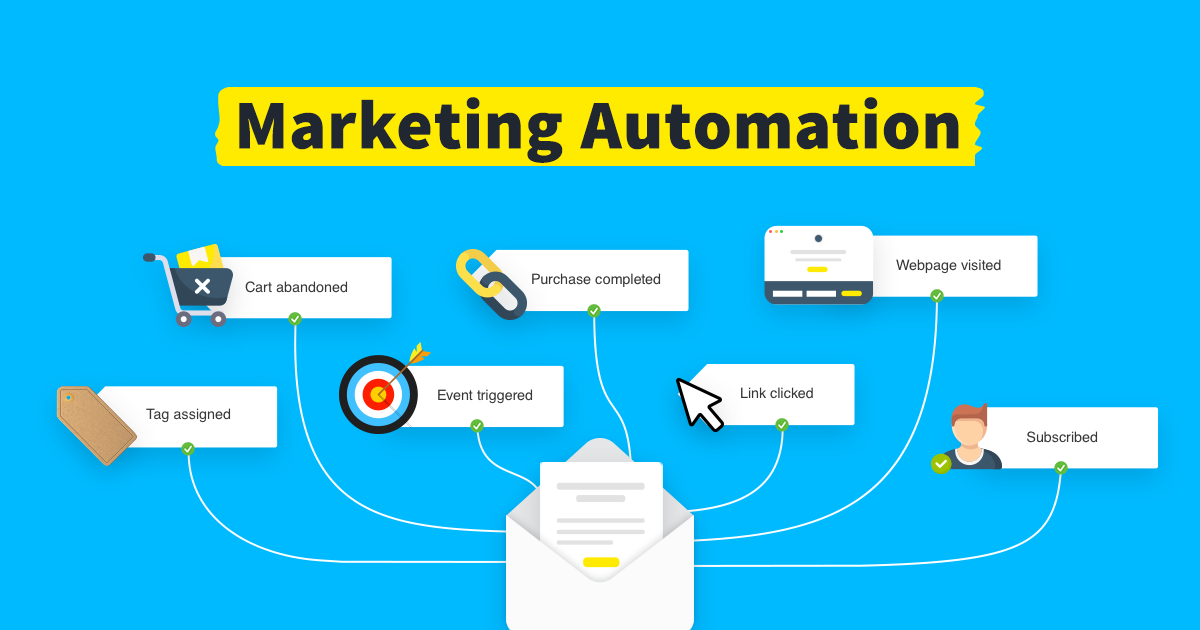
Marketing automation refers to the use of software platforms and technologies to automate repetitive marketing actions and campaigns across multiple channels, including email, social media, SMS, and paid ads. Instead of a human manually sending every email or posting every social update, automation tools handle these tasks based on pre set rules, schedules, or customer behaviours.
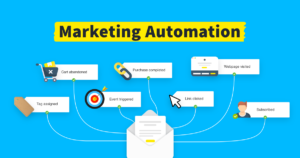
At its core, it is about delivering the right message to the right person at the right time without having to do it by hand every single time. This includes things like sending a welcome email the moment someone subscribes to your list, triggering a cart abandonment reminder 30 minutes after a shopper leaves your site, or scoring leads based on their engagement level so your sales team knows who to call first.
“Automation is not about removing the human element from marketing; it is about freeing your team to focus on strategy, creativity, and meaningful connections, while technology handles the repetitive heavy lifting.”
Why your business needs it
The business case for marketing automation is compelling. Research consistently shows that companies using automation see significant improvements in lead generation, customer retention, and revenue growth. But beyond the numbers, there are several practical reasons why automation has become a non-negotiable for competitive businesses today.
- Saves time and reduces manual effort: Your team can focus on strategy and creativity instead of copy-pasting emails or scheduling posts one by one.
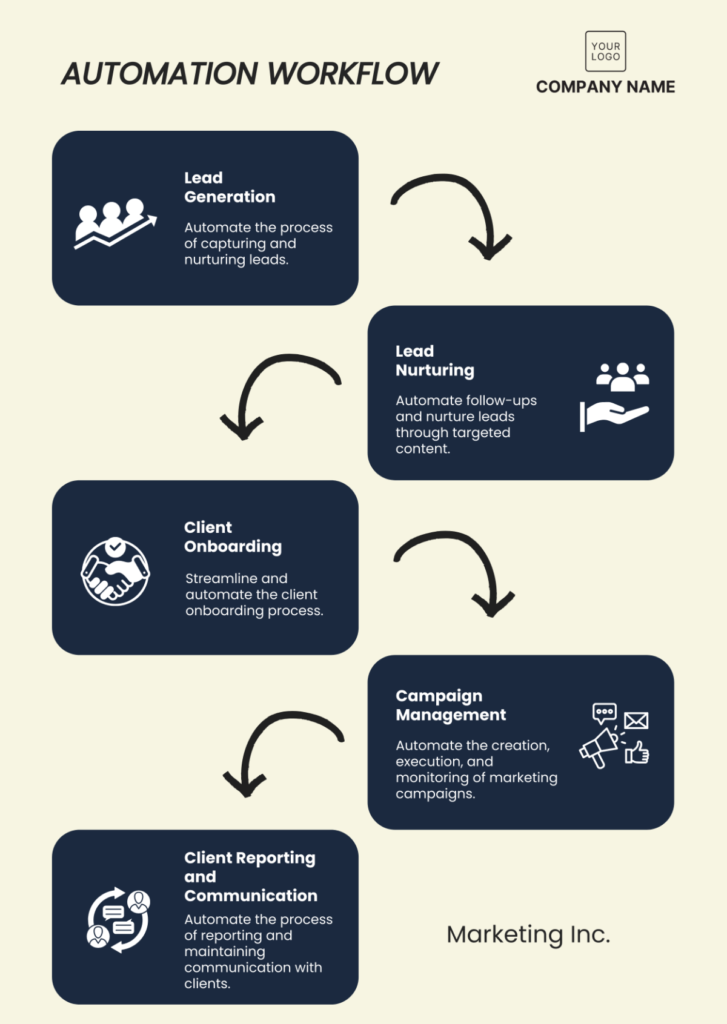
- Improves lead nurturing: Automated workflows keep prospects engaged throughout the buying journey with timely, relevant content even while you sleep.
- Enables personalisation at scale: Segment your audience and deliver tailored messages based on behaviour, demographics, or lifecycle stage without individual effort.
- Provides better data and insights: Automation platforms track every interaction, giving you richer data to refine campaigns and prove ROI.
- Aligns marketing and sales: Lead scoring and automated handoff workflows ensure sales reps receive only warm, sales-ready leads.
- Reduces human error: Scheduled, rules-based actions are far more consistent than manual execution across a team.
Core components of a marketing automation strategy
Effective marketing automation is not simply buying a tool and flipping a switch. It requires a thoughtful strategy built on several key components working together.
This strategy involves:
Email automation: remains the backbone of most automation strategies. This includes drip campaigns, transactional emails, re-engagement sequences, and behaviour triggered messages. A well-built email workflow can nurture a cold lead all the way to a paying customer without a single manual touchpoint from your team.
Customer segmentation: This is what makes personalisation possible. By grouping contacts based on shared characteristics, industry, purchase history, geographic location, or engagement level, you can craft messages that feel individually relevant rather than generic blasts.
Lead scoring: assigns numerical values to prospects based on their behaviour and profile attributes. Every email open, page visit, content download, or form fill adds (or subtracts) points. When a lead crosses a threshold, they are automatically handed off to the sales team, ensuring sales reps spend their time on the hottest opportunities.
CRM integration: ties your marketing activities to your customer relationship management system, giving your entire organisation a unified view of every contact and their journey. This alignment is crucial for breaking down silos between marketing and sales.
Analytics and reporting close the loop. Great automation platforms provide dashboards that show campaign performance, funnel drop-offs, revenue attribution, and A/B test results so you can continuously improve what is working and eliminate what is not.
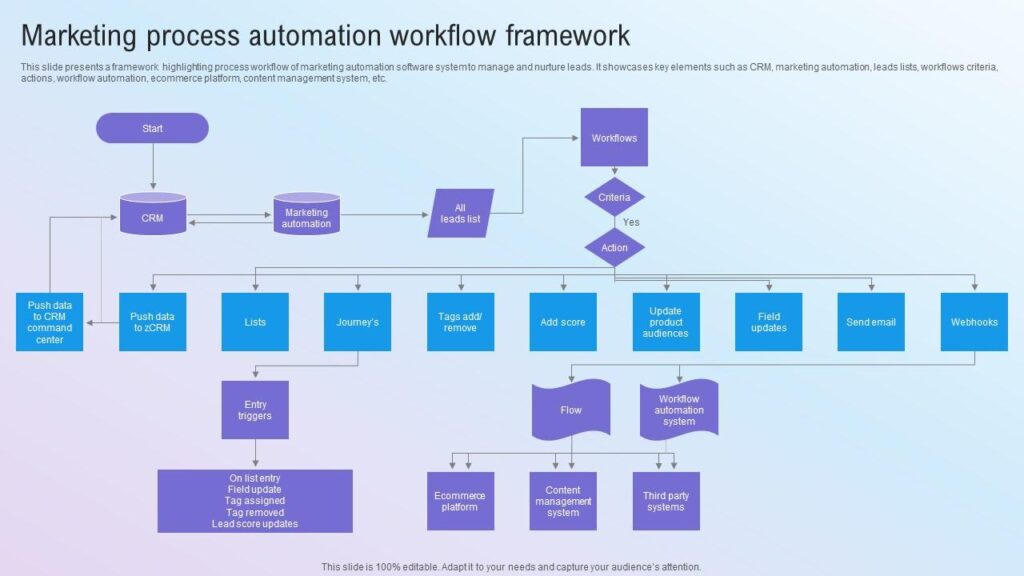
Popular marketing automation tools
The tool you choose should fit your budget, team size, and the complexity of your marketing operations. Here are some of the most widely used platforms on the market:
HubSpot All-in-one
Marketo Enterprise
ActiveCampaign SMB-friendly
Klaviyo E-commerce
Mailchimp Beginners
Pardot Salesforce
HubSpot is a popular all in one choice for businesses that want marketing, sales, and CRM in a single platform. ActiveCampaign is beloved by small and mid-sized teams for its powerful automation builder at an accessible price point. Klaviyo dominates the e-commerce space, while Marketo and Pardot serve the needs of larger enterprises with complex, multi-channel requirements.
Getting started: a practical roadmap
If you are new to automation, it can feel overwhelming. The key is to start small and build up over time. Begin with a single, high impact workflow, like a welcome email series for new subscribers. Once that is running smoothly, add a lead nurturing sequence, then a cart abandonment flow, and so on.
Define clear goals before you build anything. Do you want to increase free-trial conversions? Reduce churn? Shorten the sales cycle? Your goals will determine which workflows to prioritise and how to measure success. Next, audit your existing content and assets because automation needs fuel. You will need emails, landing pages, blog posts, and offers to populate your workflows.
Finally, always test before you launch. Send yourself through every workflow. Check every trigger, every delay, every email on mobile and desktop. A broken automation can do more damage to your brand than no automation at all.
The future of marketing automation
The evolution of marketing automation is being driven by artificial intelligence and machine learning. Modern platforms can now predict which leads are most likely to convert, dynamically personalise entire website experiences, and generate email subject lines that outperform human-written ones.
As technology advances, the line between automation and genuine intelligence is blurring. Businesses that embrace this shift, strategy, and the talent to execute well, will have a decisive advantage over competitors that are still relying on purely manual approaches.
The bottom line is simple: marketing automation is no longer a luxury reserved for enterprise companies with massive budgets. It is an accessible, scalable advantage available to businesses of every size. The question is not whether you should invest in it, it is how quickly you can get started.
Ready to automate your marketing?
Ask for a personalised tool recommendation based on your business size and goals. Get a recommendation from izutrix.